UPVC Casement vs Sliding Window: Pros and Cons Compared
Sliding Window | uPVC Casement Window | Energy Efficient Windows
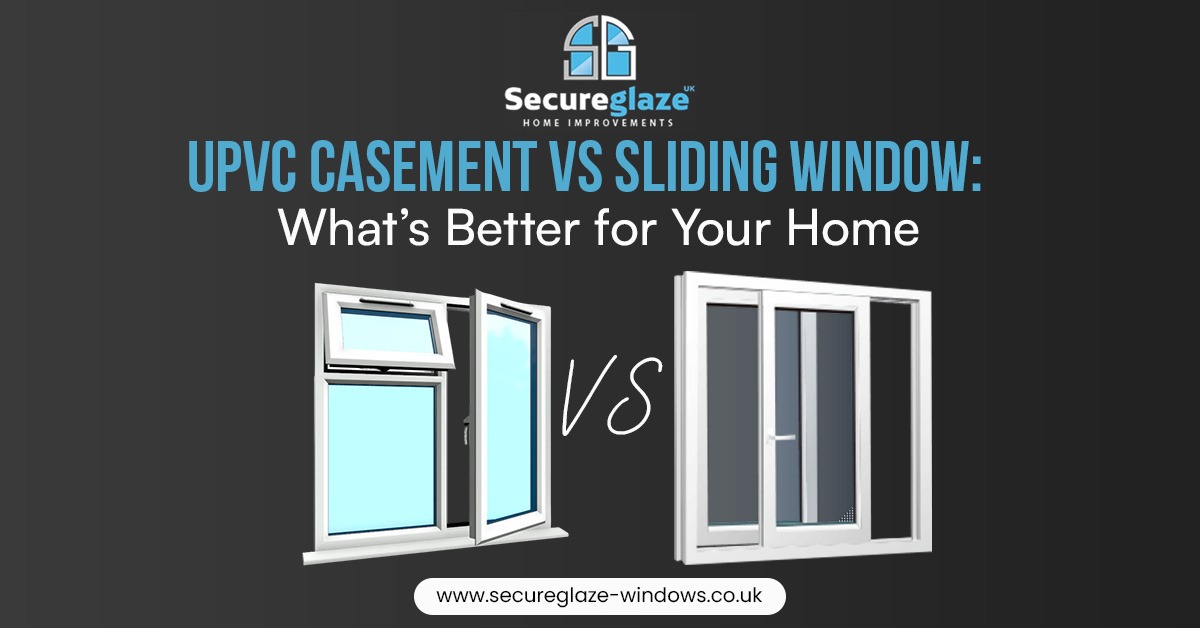
When choosing the right window style for your home, the decision between a uPVC Casement vs Sliding Window can greatly impact aesthetics, functionality, ventilation, and energy efficiency. Each window style comes with distinct advantages and considerations. Whether you’re renovating or building a new home, understanding the differences can help you make an informed decision that enhances your comfort and your property’s value.
What is a uPVC Casement Window?
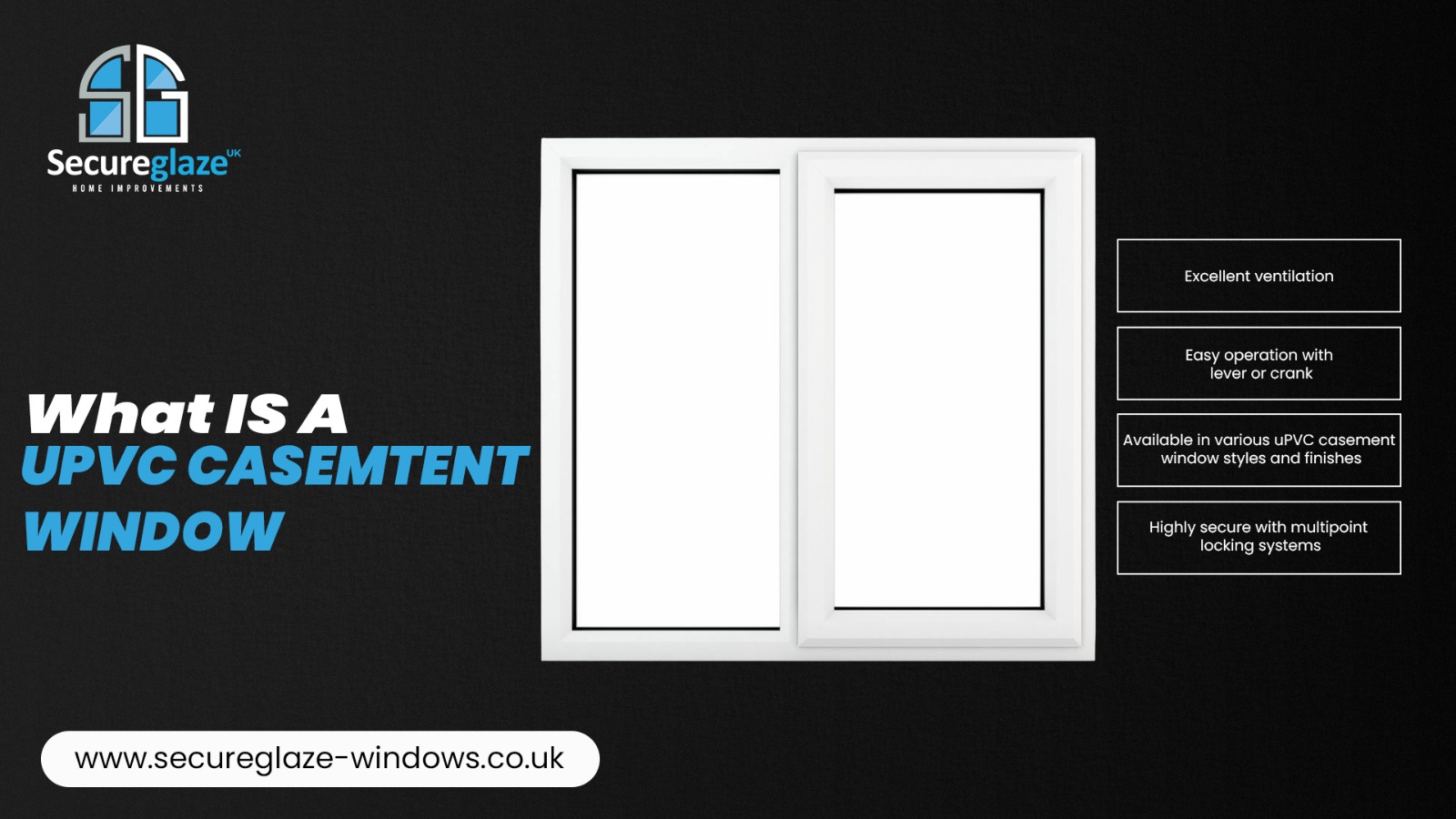
A UPVC casement window is hinged at the side and opens outward like a door. These windows are among the most popular window types in the UK due to their practical design and ability to offer maximum ventilation. They typically come with single or multiple panes and can be top-hung or side-hung.
Key Features:
- Excellent ventilation
- Easy operation with lever or crank
- Available in various uPVC casement window styles and finishes
- Highly secure with multipoint locking systems
What is a Sliding Window?
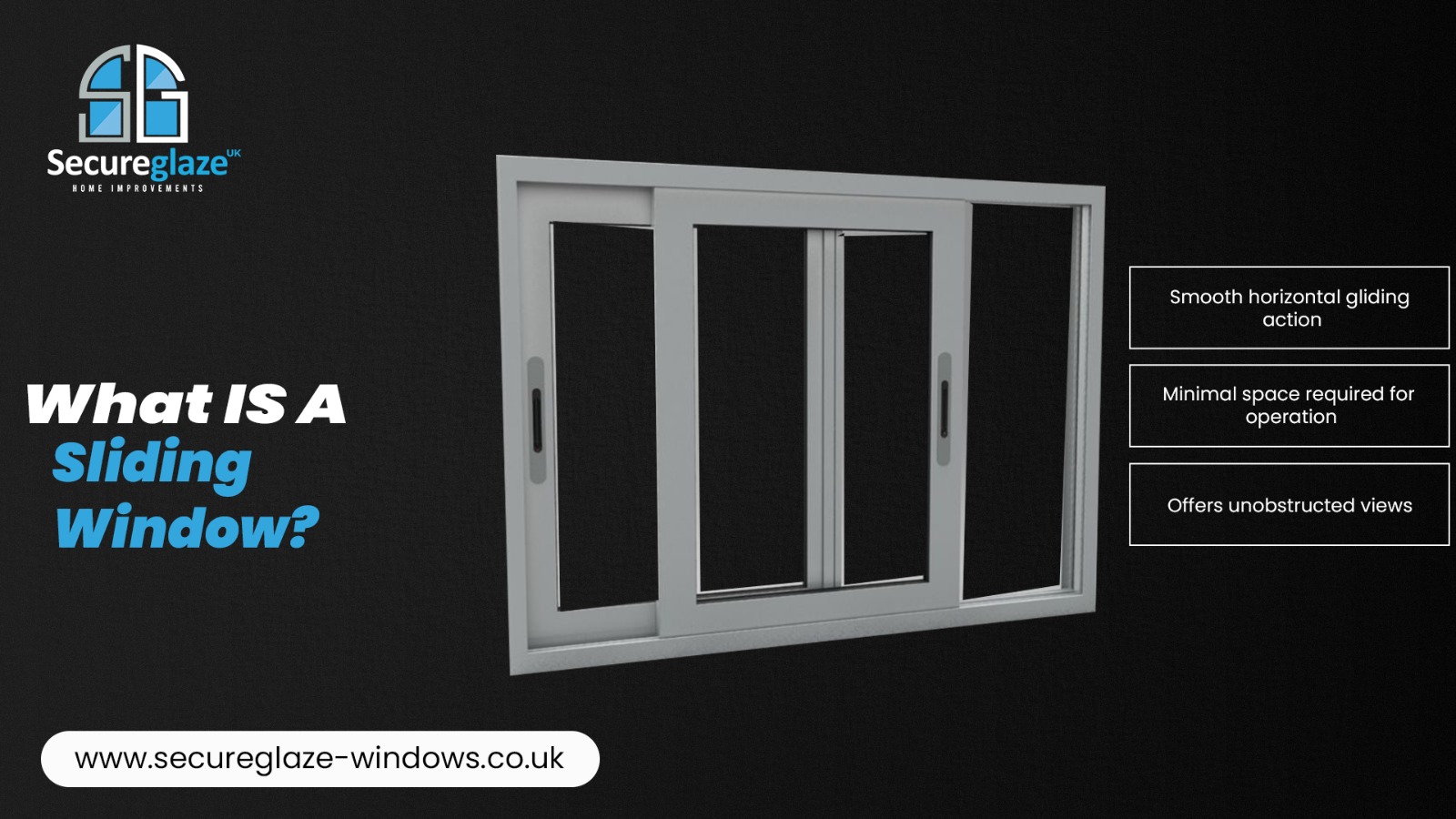
A sliding window moves horizontally on tracks and is often chosen for its modern appearance and space-saving design. These windows are perfect for homes where external space is limited, such as balconies or walkways.
Key Features:
- Smooth horizontal gliding action
- Minimal space required for operation
- Available in double glazed sliding windows, horizontal sliding windows, and vertical sliding windows
- Offers unobstructed views
Comparing uPVC Casement vs Sliding Window
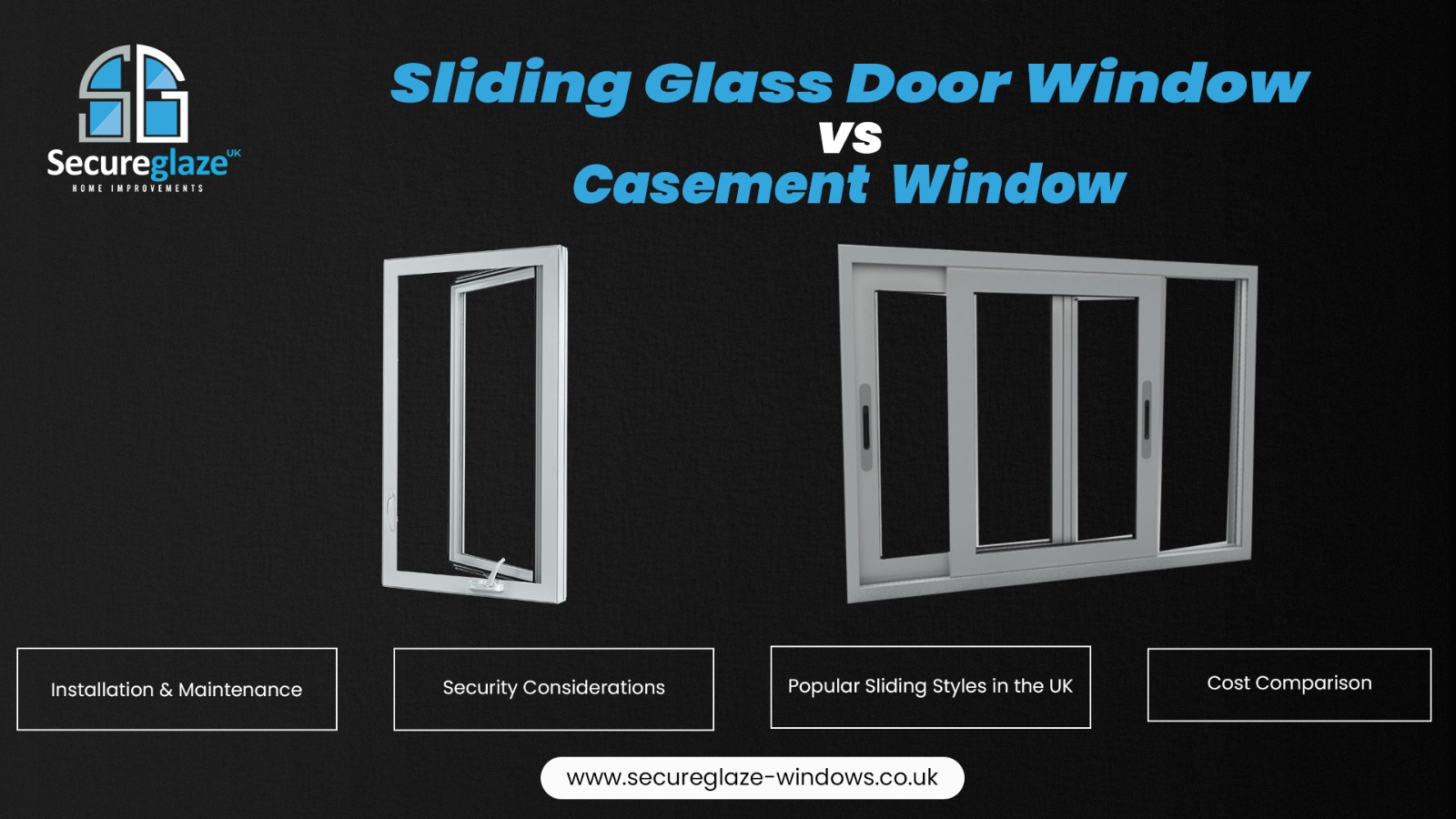
| Feature | UPVC Casement Window | Sliding Window |
| Ventilation | Excellent airflow, can open fully | Moderate airflow, partial opening |
| Ease of Operation | Easy to open with lever or crank | Simple glide mechanism |
| Space Efficiency | Requires external space to open | Ideal for tight spaces |
| Security | Strong multipoint locking | Lockable, but generally fewer security points |
| Energy Efficiency | Superior sealing reduces air leakage | Moderate sealing, potential for slight air gaps |
| Design Flexibility | Numerous styles and customizations | Contemporary, sleek designs |
| Cost | Slightly more expensive depending on size/design | Generally more budget-friendly |
Pros of uPVC Casement Windows
- Excellent Ventilation
Opens fully to allow maximum airflow, ideal for kitchens, living rooms, and bedrooms.
- High Energy Efficiency
Tight sealing prevents drafts, reduces heat loss, and contributes to lower energy bills.
- Strong Security
Equipped with multipoint locking systems, offering better resistance to forced entry.
- Variety of Styles
Available in multiple uPVC casement window styles, including flush casement and French casement.
- Low Maintenance
UPVC material resists rust, rot, and warping. Just occasional cleaning is required.
- Customizable Designs
Choose from various colors, finishes, casement window parts, and glazing options to suit any home aesthetic.
- Good Noise Insulation
When double or triple glazed, they reduce outdoor noise effectively.
Cons of uPVC Casement Windows
- Requires Clearance to Open
Hinged design means it needs unobstructed exterior space, making it unsuitable for tight areas.
- Vulnerable to Wind Damage if Left Open
Strong gusts can strain or damage the window if left open, especially on upper floors.
- Can Be Costlier
Often more expensive than basic sliding window options, especially for custom sizes or premium finishes.
- May Need More Maintenance for Moving Parts
Hinges and locks may wear over time and need occasional lubrication or replacement.
- Outward Opening May Obstruct Paths
Not ideal near walkways, patios, or balconies due to the swing-out design.
Pros of Sliding Windows
- Space-Saving Design
Ideal for compact spaces since panels slide horizontally without needing exterior or interior clearance.
- Unobstructed Views
Large glass panes offer a clear, expansive view and allow ample natural light to enter.
- Easy Operation
A simple sliding mechanism makes them user-friendly, even for elderly individuals or children.
- Contemporary Aesthetic
Sleek, minimalistic look suits modern and contemporary architecture.
- Durability
Fewer moving parts compared to casement windows, leading to fewer breakdowns or wear-and-tear issues.
- Compatibility with Sliding Shutters and Blinds
Works well with sliding window shutters and other custom treatments for light and privacy control.
- Cost-Effective
In general, sliding glass window prices are competitive, especially in standard sizes.
- Good for Wide Openings
Best suited for wider spaces like patios or large living room walls. Often paired with sliding glass door windows for seamless outdoor access.
Cons of Sliding Windows
- Limited Ventilation
Only half of the window can open at once, limiting airflow compared to full-opening casement windows.
- Track Maintenance Needed
Dirt and debris can clog the sliding track, requiring regular cleaning for smooth operation.
- Not Ideal for Airtight Sealing
Double glazed sliding windows may not be as airtight as casement styles, which can affect energy efficiency if not properly installed or sealed.
- Security Concerns
While many models offer locks, some basic designs may be easier to force open than uPVC casement windows.
- Water Infiltration Risk
Poor installation or worn-out seals can lead to leaks, especially during heavy rain.
- Less Customization in Design
Typically available in fewer design variations compared to flush casement uPVC windows or slide and sash windows.
Energy Efficiency of UPVC Casement vs Sliding Window: Which Wins?
In terms of thermal insulation and preventing heat loss, uPVC casement windows UK tend to perform better due to their tight sealing mechanisms. They reduce drafts and keep your home warmer in winter and cooler in summer. If energy-efficient windows are your priority, casement windows often offer higher energy ratings.
Design and Aesthetic Appeal
Modern uPVC casement window designs come in a variety of finishes and hardware options, including flush casement uPVC windows that sit level with the frame for a sleek look. On the other hand, sliding windows UK options are ideal for minimalistic and contemporary interiors. The clean lines of aluminium sliding windows are particularly popular in modern architecture.
UPVC Casement vs Sliding Window: A Special Note
If you’re considering large openings like patios or balconies, a sliding glass door window is often preferred over a casement due to the ability to open up a wider area without protruding parts. However, for smaller rooms or areas that benefit from full ventilation, casement remains the winner.
Installation & Maintenance
UPVC window installation is relatively straightforward for both types. However, sliding windows have fewer moving parts and hinges, making them easier to clean and maintain. Casement windows, especially larger models, may require more frequent checks to ensure the crank mechanism and locks remain functional.
Security Considerations
Casement windows are generally more secure due to uPVC casement window locks with multiple locking points. Meanwhile, sliding windows, though secure, usually feature a single locking mechanism, making them slightly less secure unless enhanced with additional locking systems.
Popular Sliding Styles in the UK
- Sliding sash windows
- UPVC sliding sash windows
- Quick slide windows
- Slide and sash windows
- Sliding window shutters
Each of these caters to different needs – from traditional Victorian-style homes to ultra-modern apartments.
Cost Comparison
While pricing can vary based on materials and features, the sliding glass window price is generally lower than that of high-end UPVC flush casement windows. However, it’s important to weigh the initial cost against long-term energy savings and durability.
Why Choose Casement Windows for Your Home?
Superior Ventilation
Casement windows open fully outward, allowing for maximum airflow—ideal for spaces like kitchens, bedrooms, or living rooms. Their wide opening also provides a clear, uninterrupted view of the outdoors, enhancing natural light inside the home.
Energy Efficiency
Thanks to their tight sealing when closed, horizontal sliding windows prevent drafts and significantly improve insulation. This contributes to lower energy bills and consistent indoor temperatures, making them a top choice for energy-efficient windows.
Enhanced Security Features
Most casement windows come equipped with robust multi-point locking systems, making them more secure than traditional sliding or sash windows. This added protection gives homeowners peace of mind.
Wide Range of Design Options
Casement windows are available in various styles and finishes—from flush casement uPVC windows to classic and modern looks. You can also choose from different UPVC casement window parts, locks, and glazing options to tailor the windows to your exact needs.
Long-Term Value
With their durability, energy-saving potential, and stylish appeal, casement windows offer long-term value and are an ideal investment for homeowners looking to upgrade both functionality and aesthetics.
Why Choose Sliding Windows for Your Home?
Space-Saving Design
Sliding windows open horizontally along a track, making them perfect for areas with limited space like patios, balconies, and hallways. Their sliding mechanism means there’s no need for outward or inward clearance.
Natural Light and Views
Thanks to their large glass panels, sliding windows flood your interiors with natural light while offering wide, scenic views. They’re a great option for living rooms and bedrooms in modern homes.
Sleek, Contemporary Aesthetic
Whether you choose UPVC sliding sash windows, aluminium sliding windows, or horizontal sliding windows, their clean lines and smooth operation give your home a contemporary look that complements minimalist and modern design themes.
Low Maintenance
Sliding windows have fewer moving parts, reducing wear and tear. Occasional track cleaning ensures smooth operation, and modern materials like uPVC and aluminium make them weather-resistant and long-lasting.
Affordable and Versatile
Sliding windows are generally cost-effective, with competitive sliding glass window prices in the UK market. They are available in various configurations, including quick slide windows, double-glazed sliding windows, and vertical sliding options, offering flexibility for different rooms and styles.
Making the Right Choice for Your Home: UPVC Casement vs Sliding Window
Your decision between a uPVC casement vs sliding window should be based on your home’s architectural style, available space, ventilation needs, and personal preference. For instance:
- In living rooms or bedrooms with wide wall spaces, casement windows provide charm and function.
- For tight corridors or small balconies, sliding windows work wonders without intruding into usable space.
Expert Tip: For optimal performance, combine window styles. Use casement windows in areas where ventilation is key and sliding windows in narrow spaces or where ease of use is essential.
Let’s Discuss Secure Glaze UPVC Casement vs Sliding Window
When choosing between uPVC casement windows and sliding windows UK, one essential factor to consider is security, and this is where Secure Glaze plays a crucial role. Secure glazing refers to the combination of high-performance glass, reinforced frames, and locking systems designed to prevent break-ins and improve home safety. Secure Glaze UK is a term often used to describe double or triple-glazed window units with built-in security features. These windows usually include laminated or toughened glass, internal beading, and anti-crowbar mechanisms, making them extremely difficult to tamper with from the outside.
Security Benefits for Casement Windows
Casement windows are naturally more secure due to their design. Since the sash closes tightly into the frame and often includes multi-point locking systems, they offer better resistance against forced entry. When combined with Secure Glaze, casement windows become a robust barrier against intruders, providing unmatched protection.
Security Benefits for Sliding Windows
Sliding windows have improved significantly in terms of security. While older models were considered less secure, modern uPVC and aluminium sliding windows now come with advanced locking mechanisms, reinforced frames, and double-glazed panels that make them much harder to breach. Adding Secure Glaze further enhances their resistance to impact and forced access.
Why Secure Glaze UPVC Casement vs Sliding Window Matters
Whether you’re installing vertical sliding windows, flush casement windows, or horizontal sliders, Secure Glaze adds an essential layer of safety. Especially in the UK, where break-in statistics make home security a priority, investing in Secure Glaze ensures your peace of mind while also improving insulation and reducing outside noise.
Hear from Our Clients About UPVC Casement vs Sliding Window
We recently replaced our old windows with flush uPVC casement windows, and the difference is incredible. They are more secure, and energy efficiency has lowered our heating bills noticeably.
— Linda R., Manchester
I opted for aluminium sliding windows for my balcony, and they’ve been fantastic. Sleek, easy to operate, and the panoramic view is just what I wanted. Highly recommend the Secure Glaze option too!.
— James P., London
“The team helped us compare sliding sash windows and uPVC casement options for our renovation. Their guidance made the decision easy. We’re very happy with the quality and installation service.
— Sophie W., Birmingham
The double-glazed sliding windows we installed last winter have been amazing. Quiet, draft-proof, and very low maintenance. It’s been a game-changer for our home’s comfort.
— Peter H., Bristol
Or for more details, read our blogs!
Conclusion
Choosing between a uPVC casement vs sliding window depends on multiple factors, including ventilation, aesthetics, energy savings, space, and budget. Both styles offer their unique advantages, and understanding their characteristics helps ensure a smarter home upgrade. With modern designs like UPVC casement window designs, aluminium sliding windows, and quick slide windows, you have plenty of stylish and functional options to enhance your home’s value and comfort.
FAQs
Which is more energy-efficient: uPVC casement or sliding windows?
UPVC casement windows are generally more energy-efficient because they form a tighter seal when closed, preventing air leaks. Sliding windows can also be energy-efficient when fitted with double glazing and quality frames, but casement styles typically offer better insulation.
Are sliding windows secure enough for ground-floor installations?
Modern sliding windows, especially those with Secure Glaze and multi-lock systems, are safe for ground-floor use. However, casement windows often offer higher security due to their design and multi-point locking mechanisms.
How do I decide between casement and sliding windows for my home?
Your decision should depend on space, ventilation needs, and aesthetic preference. Choose casement windows for better airflow and energy efficiency, or sliding windows if you have limited space and prefer a contemporary look with larger glass areas.