Improving home insulation is a smart way to cut energy bills and boost comfort in UK homes. This blog explores why insulation is essential, what parts of your home need it most, and the types of materials that work best. It highlights key strategies like upgrading to double glazed windows, using energy efficient doors, and installing eco home insulation materials. You’ll also learn how to choose between single, double, and triple pane glass windows based on cost and heat loss benefits.
Additionally, it covers installation methods such as upvc window installation and secondary glazing, showing how each reduces heat loss and improves efficiency. In this guide, we will explain how to improve your home insulation and save energy.
How Better Home Insulation Can Reduce Your Energy Bills in the UK
Best Window and Door Manufacturers | Benefits of energy efficient windows | Energy Efficient Doors
Home insulation helps reduce heat loss and cuts down your monthly heating bill. It improves your home’s energy efficiency and keeps every room warm during winter. In the UK, energy bills are high due to old housing stock and poor insulation. Upgrading your insulation makes a big difference in comfort and cost. If your house feels cold even with the heating on, insulation could be the issue.
Why Home Insulation Matters in the UK?
The UK has some of the oldest housing in Europe. Basic insulation is not available in many homes. Cold air easily enters through walls, floors, and roofs. This leads to constant heat loss and high energy use. In such homes, heating systems work longer just to maintain comfort. With proper insulation, heat stays indoors, reducing energy costs.
Insulation also reduces carbon emissions. This helps meet national energy-saving targets. By sealing heat inside, you lower the need for gas and electricity. This also protects your appliances from overuse. Improved insulation boosts home value, comfort, and sustainability. It’s a long-term upgrade that pays off quickly.
Types of Home Insulation You Can Install
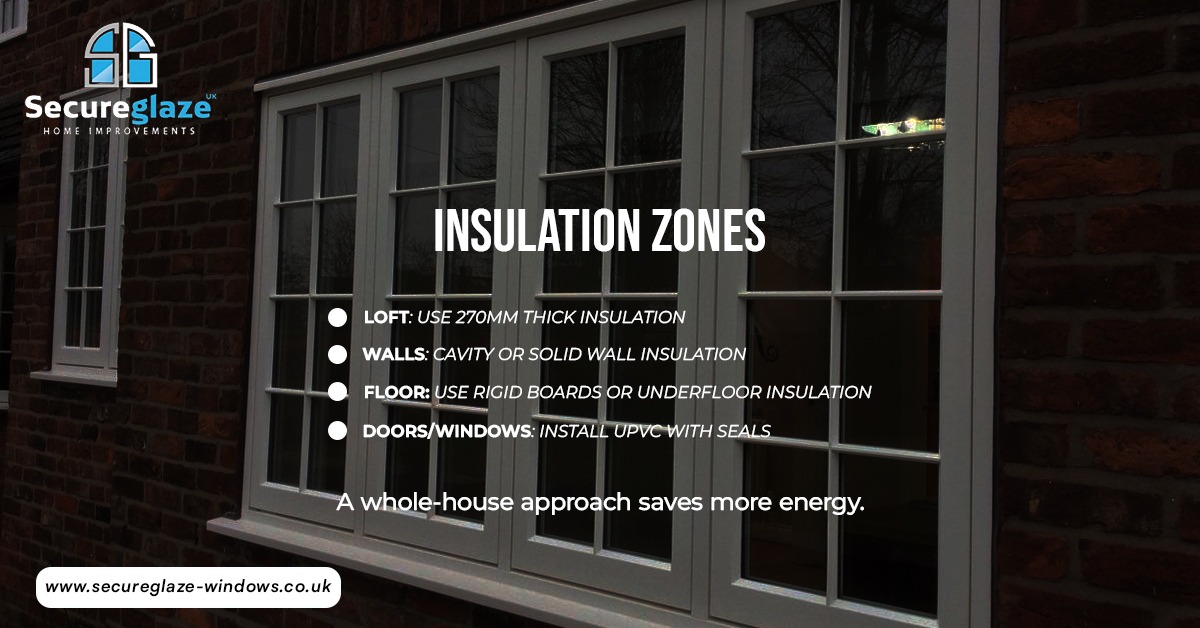
UK homes vary by age and design, so insulation needs differ too. Insulating the right areas prevents overuse of energy. Start with spaces that lose the most heat.
1. Loft and Roof Insulation
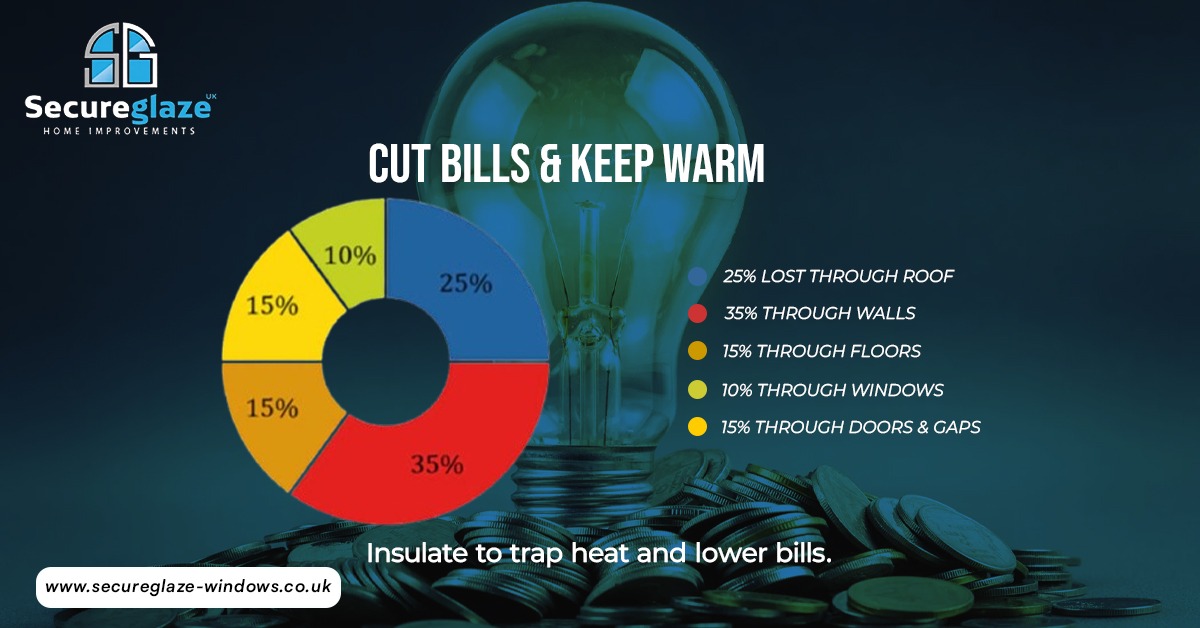
Loft insulation is essential since heat rises. Without insulation, 25% of heat escapes through roofs. Insulating the loft traps warm air in living areas. Mineral wool and foam boards are common materials. These are safe, affordable, and last up to 40 years.
Loft insulation is often a DIY project. It’s one of the cheapest ways to improve efficiency. New builds already have roof insulation installed. Older homes need upgrades to meet current energy codes. You can also insulate sloped ceilings using foam boards.
2. Wall Insulation
Walls lose 30% of household heat. Most homes have either cavity or solid walls. Cavity wall insulation fills the gap between brick layers. Solid wall insulation works on older homes and can be installed internally or externally.
Cavity wall insulation is affordable and installed in hours. It works best in homes built after 1920. Older properties often have solid walls, needing external work. Solid wall insulation costs more but provides better heat retention. You can also combine this with breathable renders to avoid moisture problems.
3. Floor Insulation
Cold floors lower overall home warmth. Ground-floor insulation reduces drafts. You can insulate suspended timber floors by adding mineral wool between joists. For concrete floors, rigid foam boards work best.
Uninsulated floors lead to discomfort in winter. Rugs only provide surface comfort. Proper floor insulation helps maintain a stable room temperature. It also reduces mould growth caused by cold floor surfaces. Floor insulation is especially helpful in kitchens and hallways.
4. Window and Door Insulation
Windows and doors account for 20% of heat loss. Old single glazed windows offer little resistance. Double glazed windows trap heat using two glass panes and air space. Triple glazed windows go one step further.
UPVC window installation offers better sealing than wooden frames. Doors should also have insulated cores. Choose energy efficient doors for better temperature control. UPVC door installation ensures an airtight fit and reduced heat leaks. These steps prevent cold air from entering through gaps.
Upgrade to Energy Efficient Glazing
Window glazing directly affects insulation. Single glazed windows lose heat quickly. Upgrading to double-pane window glass or triple pane glass windows greatly improves efficiency.
Double glazing reduces condensation and noise. Triple glazing provides added thermal performance. Between the panes is argon gas, which slows heat transfer. Energy efficient glazing also filters out harmful UV rays. This protects furniture and flooring from fading.
Benefits of energy efficient windows:
They reduce heating costs and increase comfort. You’ll notice fewer cold spots near windows. They lower outside noise, perfect for busy areas. These windows are harder to break, improving security. They also increase your property’s market value.
Energy efficient windows cost:
Prices vary depending on size and type. Double glazing costs less than triple glazing. However, both give long-term savings. Energy efficient windows cost more upfront but reduce heating use. They require little upkeep and last over 20 years.
What is Secondary Glazing?
Secondary glazing is an easy upgrade if you can’t change existing windows. A second pane is added behind the main window, creating an air buffer. This reduces heat loss and noise without replacing your current frames.
It’s useful in listed buildings or rentals. You don’t need planning permission in most cases. Frames are fitted internally and come in various designs. You can choose fixed, hinged, or sliding units. Secondary glazing is fast and non-invasive.
Secondary glazing costs less than full replacement. It adds insulation and improves comfort. If your windows are in good shape, this is a budget-friendly option. It’s also easy to remove if needed. Combine this with thick curtains for even better results.
How Does Double Glazing Reduce Heat Loss?
Double glazing features two panes of glass with a gap in between. This gap contains air or inert gas. It creates a thermal barrier that stops heat from escaping. It also prevents cold air from entering.
Heat moves more slowly through two panes than one. The inner pane stays warm while the outer pane stays cold. This keeps the indoor temperature steady. It reduces the time your heating system needs to run. That means lower energy bills every month.
Upgrading from single to double glazing saves up to 20% in heat loss. In colder areas, this can be even higher. You’ll feel fewer drafts and see less condensation. It’s a smart step in any insulation project. For maximum savings, choose A-rated units.
Choosing the Right UPVC Windows and Doors
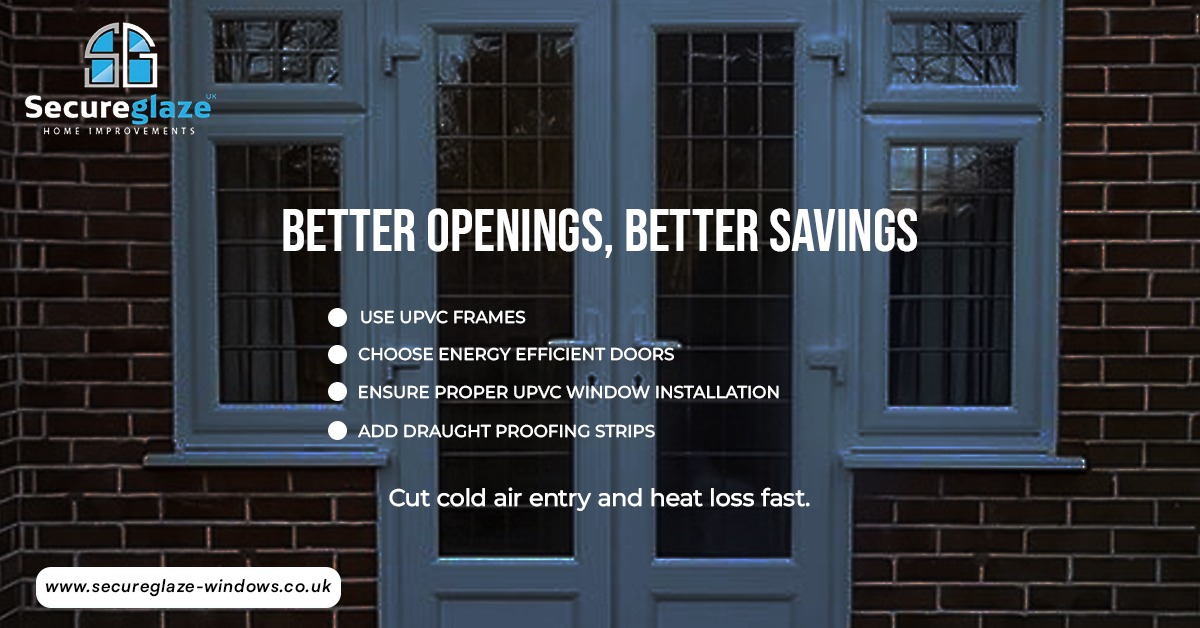
UPVC windows and doors are a top choice in UK homes. They are cost-effective, durable, and require no painting. UPVC frames are tightly sealed, reducing heat leaks and sound transfer.
UPVC window installation offers high insulation value. The material doesn’t rot or warp. UPVC doors are filled with foam or composite cores. These boost their energy-saving performance. They are also secure and low-maintenance.
Look for products from trusted and best window and door manufacturers. These companies follow UK efficiency standards. Their products carry energy labels for easy comparison. Choose multi-point locks and double sealing strips for added protection. The right windows and doors can cut heat loss by over 30%.
Key Home Insulation Tips
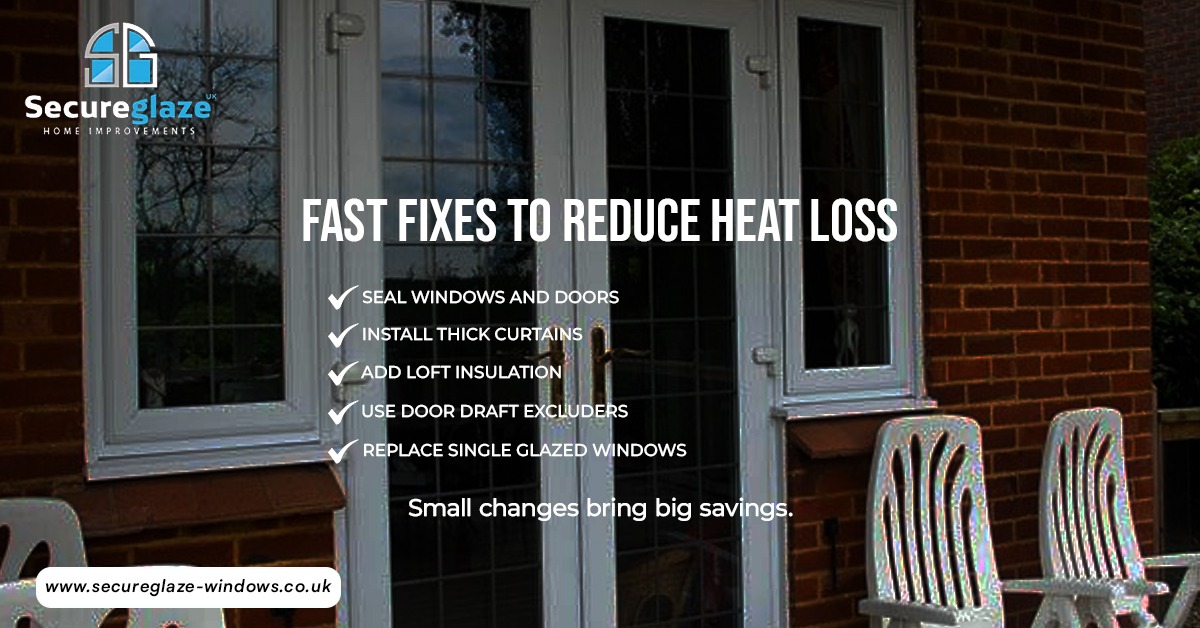
Home insulation tips don’t always mean major renovations. Small upgrades also make a big difference. Start with simple improvements that seal heat inside.
Use weather strips around doors and energy efficient windows. Block unused chimneys with covers. Close curtains at night to keep warmth in. Add draught excluders under doors. Place rugs over cold floors to reduce heat loss.
Use thermal blinds for added insulation. Move furniture away from radiators to let heat flow freely. Keep internal doors closed to trap heat in used rooms. Insulate loft hatches and letterboxes. Together, these steps improve comfort and lower costs.
Understanding Home Insulation Cost
Home insulation cost depends on area size, type of insulation, and labour. While some solutions are affordable, others need investment. Still, all types help cut future energy bills.
Average Costs in the UK:
- Loft insulation: £300–£400
- Cavity wall: £500–£800
- Floor insulation: £700–£1,200
- Double glazing installation: £3,000–£7,000
- Solid wall: £6,000–£12,000
Loft insulation offers fast returns. Wall insulation provides bigger savings long term. Double glazing installation offers comfort and noise reduction. Though pricey, it adds property value. Government schemes may help cover costs.
Check for grants like ECO4 or local council support. Many areas offer free surveys or partial funding. Invest once, save for decades.
Eco Home Insulation Options
Eco home insulation uses natural and recycled materials. It’s ideal for green homes and health-conscious owners. Popular options include sheep wool, cellulose, and hemp.
These materials are breathable and non-toxic. They regulate moisture and prevent mould. Sheep wool is naturally fire-resistant. Cellulose is made from recycled paper and offers good heat retention. Hemp is lightweight and insect-resistant.
Eco home insulation supports local suppliers. It lowers your carbon footprint. Though slightly more expensive, it lasts just as long as synthetic options. It’s safe for DIY and can be handled without special gear. Choose this option for sustainable comfort.
Reduction in Energy Bill with Better Insulation
Insulation directly affects energy use. Better insulation means less heating is needed. This leads to lower energy bills month after month. Below is a guide, how to reduce energy bills:
- Focus on the biggest heat-loss areas, i., windows, doors, roofs, and walls.
- Upgrade glazing and seal any gaps.
- Add insulation layers in attics and floors.
- Insulated doors and curtains help too.
Heating accounts for 60% of energy bills. Cutting that by 20–30% brings major savings. Use a smart thermostat to further control heating. Keep track of your usage and make small improvements each season.
Over time, savings from reduced bills can cover the insulation cost. This makes it one of the smartest investments for homeowners.
Types of Window Glazing: What You Need to Know
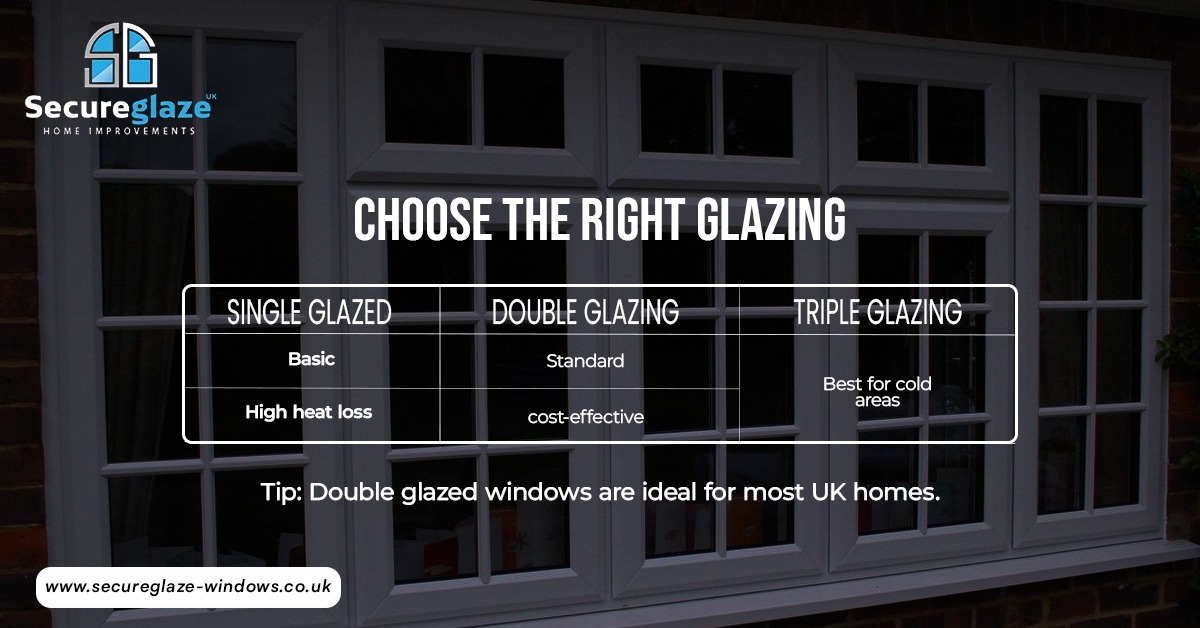
Window glazing controls how much heat eescapes fromyour home. Different types of window glazing suit different needs.
1. Single Pane Window Glass
Basic and outdated, but it offers almost no insulation. Single pane window glass found in older homes and sheds should be replaced quickly for better comfort.
2. Double Pane Window Glass
Two glass layers separated by air or gas create a sealed unit. This design improves insulation and helps block outside noise. Double pane window glass is a common choice in modern UK homes for energy efficiency and comfort
3. Triple Pane Glass Windows
Three glass layers and two gas layers. Offers the best insulation. Triple Pane Glass windows are Ideal for colder regions and energy-conscious families.
New builds usually include double or triple glazing. Existing homes should consider upgrades. The more panes, the better the insulation. Costs rise with each layer, but so do savings. Make your decision based on climate, budget, and long-term goals.
Why Choose Secure Glaze?
At Secure Glaze, we help UK homeowners lower their energy bills with expert insulation upgrades. From double glazing installation to UPVC doors and windows, our solutions improve comfort and cut heat loss. We offer high-quality energy efficient windows, professional service, and tailored advice for every home.
To know more about us, visit the Secure Glaze website and explore our full range of home insulation solutions. Our team is ready to guide you through every step of your insulation upgrade. Have questions or need expert advice? Contact us today and let Secure Glaze help make your home warmer, safer, and more efficient.
Conclusion: Insulate Smart and Save Big
Improving home insulation is the best way to reduce energy bills. It keeps your home warm, quiet, and energy efficient. Upgrades like double glazing, loft insulation, and sealing drafts make a clear difference.
If you’re ready to improve your home’s comfort and lower your heating costs, now is the time. High energy bills don’t have to be the norm. Invest in smart insulation today.
Secure Glaze is a leading uPVC windows and doors manufacturer, known for delivering durable and energy-efficient products.
FAQs
What is the best way to improve home insulation?
The most effective way to improve home insulation is by targeting the main areas where heat escapes. Start by sealing air leaks around windows, doors, and floorboards. Upgrade to double glazed windows or triple glazed windows for better thermal performance.
What are the types of window glazing for insulation?
The main types of window glazing are single, double, and triple glazed windows. Triple pane glass windows offer the highest insulation.
How much does home insulation cost in the UK?
Home insulation cost varies by property size and insulation type. Loft insulation starts from £300, wall insulation from £400, and double glazing installation can range from £2,000 to £7,000, depending on the number of windows.