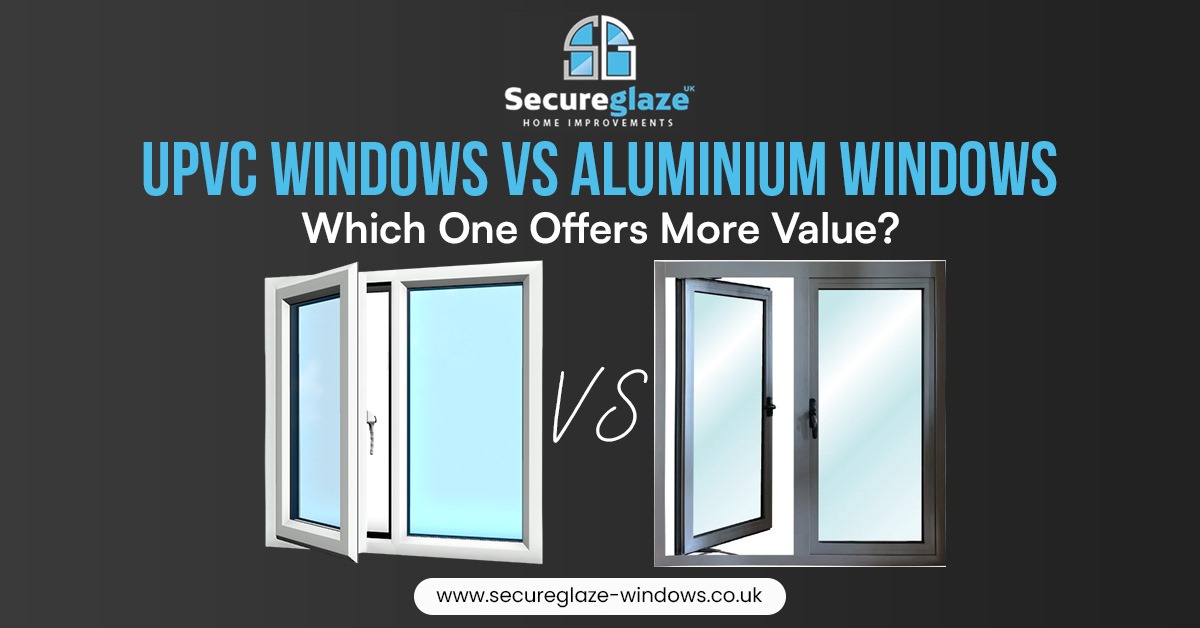
Choosing between uPVC windows vs Aluminium Windows depends on budget, style, and long-term goals. UPVC windows offer excellent thermal efficiency, low maintenance, and affordability, making them ideal for traditional homes. In contrast, aluminium windows provide sleek aesthetics, high durability, and structural strength, perfect for modern designs. While uPVC is cheaper and energy-efficient, aluminium stands out in recyclability and longevity. Installation ease and environmental impact also vary. Ultimately, the best value lies in aligning your priorities with the right material. Secure Glaze offers both solutions with expert installation and customizable designs.
UPVC Windows vs Aluminium Windows: What You Need to Know
uPVC vs Aluminium Windows | UPVC Windows | Aluminium Windows
When homeowners consider upgrading their window systems, the debate often centres on uPVC windows vs Aluminium Windows. Both options have distinct advantages and trade‑offs, from aesthetics and energy efficiency to cost and maintenance. In this deep dive, we’ll explore everything you need to know about uPVC windows vs Aluminium Windows, helping you decide which offers more value for your home.
What are UPVC Windows?
UPVC windows (Unplasticized Polyvinyl Chloride) are a type of window frame made from rigid plastic that does not contain plasticisers, which gives it strength and resilience. They are widely used in residential and commercial buildings due to their durability, weather resistance, thermal insulation, and low maintenance requirements.
uPVC is non-reactive to air, water, and most chemicals, making it ideal for window and door frames in all weather conditions. These windows often feature double or triple glazing, which enhances energy efficiency by reducing heat loss, dampening noise, and minimising condensation. They come in various styles and finishes, including flush casement, sliding sash, and tilt-and-turn.
Key features of uPVC windows:
- Excellent insulation – keeps your home warm in winter and cool in summer.
- Moisture, UV, and corrosion-resistant.
- Highly secure – most models come with multi-point locking systems.
- Available in various colours and wood-like finishes.
- Affordable compared to wood or aluminium.
- Sustainable and recyclable.
What are Aluminium Windows?
Aluminium windows are made from lightweight yet strong aluminium frames, offering a modern, slimline look that is ideal for contemporary or industrial-style buildings. They are especially popular for projects where large panes of glass are required, as aluminium’s structural strength allows for thinner frames and wider glazing areas, maximising natural light.
Modern aluminium windows feature thermal break technology, which involves a layer of insulating material (often polyamide) inserted between the inner and outer aluminium profiles. This significantly improves their thermal efficiency, making aluminium double glazed windows energy-efficient and suitable for colder climates.
Key features of aluminium windows:
- Sleek, narrow profiles for a minimalist design.
- Durable and resistant to rust, warping, and flexing.
- Long lifespan – can last 40 years or more with proper care.
- Customizable – available in a variety of powder-coated finishes and colours.
- Eco-friendly – aluminium is 100% recyclable.
- Ideal for both residential and commercial properties.
UPVC Windows vs Aluminium Windows: Material Characteristics
Durability & Strength
- uPVC Windows: Resistant to corrosion, rot, and rust. However, they can warp in extreme heat.
- Aluminium Windows: Stronger and slimmer frames, ideal for large panes. They won’t warp, but they may corrode in coastal areas without proper coating.
Thermal & Energy Efficiency
- uPVC Windows: Excellent thermal insulator. Commonly used in double glazed benefits of UPVC windows to reduce heat transfer.
- Aluminium Windows: Less inherently insulating. Modern aluminium windows include thermal breaks to increase efficiency, though still not as effective as uPVC at insulating.
Aesthetic & Design
- UPVC Windows: Generally, thicker frames with a traditional look. Offers flush casement UPVC windows and sliding sash styles.
- Aluminium Windows: Slim, sleek frames ideal for contemporary or minimalist design. Offers full-frame visibility.
UPVC vs Aluminium Windows Cost
Upfront Costs
- UPVC windows cost significantly less upfront compared to aluminium. Standard uPVC windows are budget-friendly.
- Aluminium window prices are higher due to material and fabrication costs, though you may find deals on price if sourcing in bulk or during promotions.
Long-Term Value & Savings
- UPVC windows and doors, particularly those with double glazed UPVC windows, can lead to energy savings through lower heating/cooling bills.
- Aluminium double glazed windows can still be efficient with thermally broken frames, but overall ROI may be slightly lower than uPVC.
UPVC Windows vs Aluminium Windows: Pros and Cons
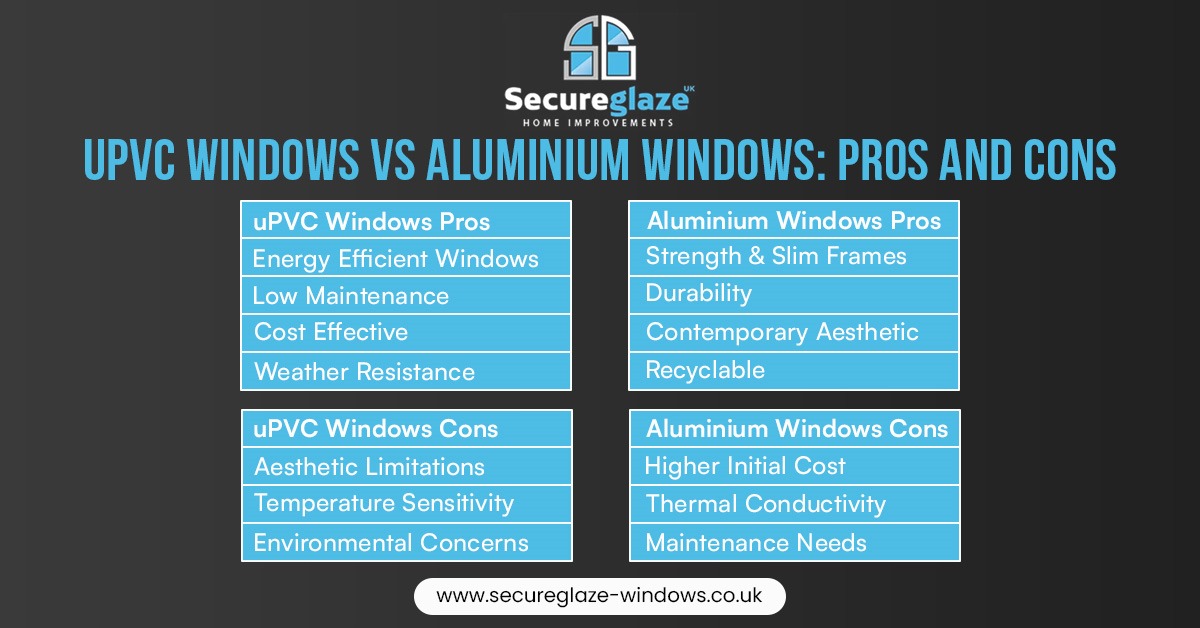
Let’s take a deeper look at the aluminium vs uPVC windows pros and cons to help you make an informed decision based on your needs.
UPVC Windows – Pros
UPVC windows are naturally low conductors of heat, which makes them excellent insulators. Combined with double glazing, they help retain warmth in winter and keep interiors cooler in summer, reducing energy bills. This makes them a top choice for energy-efficient windows in residential properties.
Low Maintenance
Unlike wooden or metal frames, uPVC windows require minimal upkeep. They don’t need painting or polishing, just occasional wiping with a damp cloth. uPVC doesn’t corrode, rot, or peel, so it retains its look and performance for years without intensive maintenance.
Cost Effective
One of the biggest advantages of uPVC is its affordability. Compared to aluminium, uPVC windows cost significantly less to manufacture and install. This makes them ideal for homeowners or builders on a budget who still want quality, secure, and attractive windows.
Variety of Styles
uPVC windows are available in a broad range of styles and finishes, including flush casement uPVC windows, upvc sliding sash windows, and tilt-and-turn models. Wood-grain textures and colour options allow customization to match both traditional and modern aesthetics.
UPVC Windows – Cons
Aesthetic Limitations
While uPVC has improved in appearance, it typically offers thicker frames and limited design flexibility compared to aluminium. It may not suit high-end architectural builds where a sleek, minimalist look is desired. Some users also find UPVC less elegant than metal alternatives.
Temperature Sensitivity
UPVC can expand slightly when exposed to extreme heat, especially in direct sunlight. Although this doesn’t usually affect functionality, repeated expansion and contraction over time can impact the tightness of seals or lead to frame distortion in poorly installed windows.
Environmental Concerns
Although recyclable, uPVC is a petroleum-based plastic that involves a more energy-intensive manufacturing process. It’s not as eco-friendly as aluminium, which can be endlessly recycled without degrading in quality, making aluminium a more sustainable long-term choice.
Aluminium Windows – Pros
Strength & Slim Frames
Aluminium is a structurally strong material, allowing for narrow frames without compromising stability. This results in larger glass areas and uninterrupted views, ideal for contemporary homes and offices looking to maximize natural light and open aesthetics.
Durability
Aluminium windows can last 40–50 years with minimal wear. They don’t warp, swell, or crack with age or weather. Resistant to pests and fire, aluminium frames outperform many other materials in harsh environments, including coastal regions and high-rise buildings.
Recyclable
Aluminium is one of the most sustainable materials in the construction industry. It can be recycled indefinitely without losing its strength or quality. Choosing aluminium windows contributes to eco-friendly building practices and reduces environmental impact.
Aluminium Windows – Cons
Higher Initial Cost
Aluminium window prices are generally higher due to the cost of materials, thermal break technology, and manufacturing complexity. While durable and stylish, the upfront investment may be a concern for budget-conscious homeowners or developers working on multiple units.
Thermal Conductivity
Without thermal breaks, aluminium conducts heat and cold easily, making it less energy-efficient. However, modern aluminium windows often include insulation barriers within the frames. Still, they may not match the insulating performance of well-sealed double glazed casement windows.
Maintenance Needs
Although durable, aluminium requires occasional upkeep to maintain its finish. In coastal areas, salty air can cause corrosion over time. Powder-coated surfaces may need retouching or refinishing every few years, especially if exposed to extreme weather or pollution.
To get more information about the latest updates, read Our Blogs.
Styles & Applications: Matching Your Design
UPVC Window Design
- Flush casement UPVC windows blend with traditional home aesthetics.
- UPVC sliding sash windows evoke heritage charm.
- Custom colours, wood-grain finishes, and flush profiles are available.
Aluminium Window Design
- Ideal for modern architecture, spacious views, and large openings.
- Aluminium windows and doors can produce stunning glass walls and sliding panels.
Maintenance & Longevity
UPVC Window Maintenance
- Wipe with mild detergent.
- Check seals and hardware annually.
- No painting or sanding needed, known for low maintenance.
Aluminium Window Maintenance
- Inspect and touch up powder-coated finish.
- Clean to prevent salt buildup in coastal areas.
- Check the thermal strip and gasket regularly.
Cost Breakdown: uPVC vs Aluminium
UPVC Window Installation Costs
- UPVC window Installation is inexpensive with widespread availability. The average cost depends on the region and window style.
- Standard uPVC windows are the most budget-friendly.
Aluminium Windows Installation Costs
- Qualified installers are needed due to metal processing. Aluminium window prices include fabrication, powder coating, and installation.
- Installation complexity is higher for large panes or custom colour finishes.
uPVC Windows Manufacturers – Secure Glaze
Secure Glaze is a trusted name among uPVC window manufacturers in the UK, known for delivering premium-quality, energy-efficient, and stylish window solutions. With a focus on innovation and durability, we manufacture a wide range of uPVC windows and doors, including flush casement windows, double glazed units, and upvc sliding sash windows designed to enhance both performance and aesthetics.
All our windows are made using multi-chambered frames for superior insulation and come with advanced locking systems for enhanced security. Whether you’re a homeowner, builder, or architect, Secure Glaze offers tailored options to suit every need with full support from selection to uPVC window installation.
We make it easy to buy UPVC windows online with transparent pricing, expert advice, and nationwide delivery. When it comes to combining value, quality, and style, Secure Glaze is your go-to partner for the best uPVC windows in the UK.
DIY vs Professional Installation
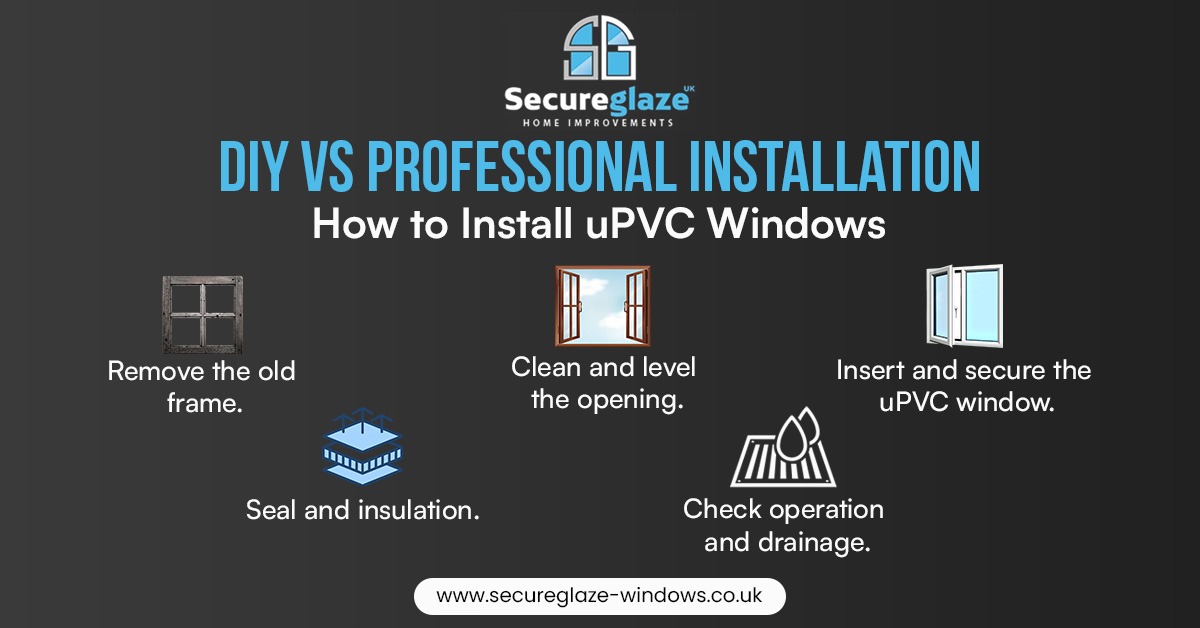
How to Install uPVC Windows
Installing uPVC windows can seem straightforward, but precision is critical for long-term performance and energy efficiency. Here’s a simplified overview of the process:
- Remove the Old Frame
Carefully remove the existing window unit, including all sash components and fixings, ensuring no damage is done to the surrounding wall. - Clean and Level the Opening
Clear out debris and old sealants. Check that the opening is level and square—any misalignment can affect the fit and function of your new uPVC window. - Insert and Secure the uPVC Window.
Position the new frame into the opening. Use packers to maintain alignment and secure the frame with appropriate screws through pre-drilled fixing points. - Seal and Insulate
Apply expanding foam or insulation strips around the edges to prevent drafts. Finish with silicone sealant for weatherproofing. - Check Operation and Drainage
Test the window to ensure it opens, closes, and locks properly. Verify that drainage holes are clear to avoid moisture buildup.
Note: While DIY uPVC window installation is possible for experienced homeowners, it’s not recommended for complex window styles, large openings, or if precision tools and knowledge are lacking. Mistakes can lead to poor insulation, leaks, or void warranties.
Aluminium Window Installation
Aluminium window installation is significantly more technical and is best left to professionals. These frames are heavier, require advanced tools, and often come with tight engineering tolerances that must be precisely maintained for thermal performance.
Professionals ensure:
- Proper use of thermal breaks for insulation
- Seamless integration with existing structures
- Accurate alignment and sealing for weather resistance
- Secure installation of large or custom-shaped panes
Improperly installed aluminium windows can compromise structural integrity and energy efficiency, leading to long-term issues that are expensive to fix.
Verdict: For basic uPVC windows, DIY is manageable with proper care. For aluminium windows or complex uPVC units, professional installation guarantees safety, performance, and peace of mind.
Environmental Impact & Sustainability
uPVC
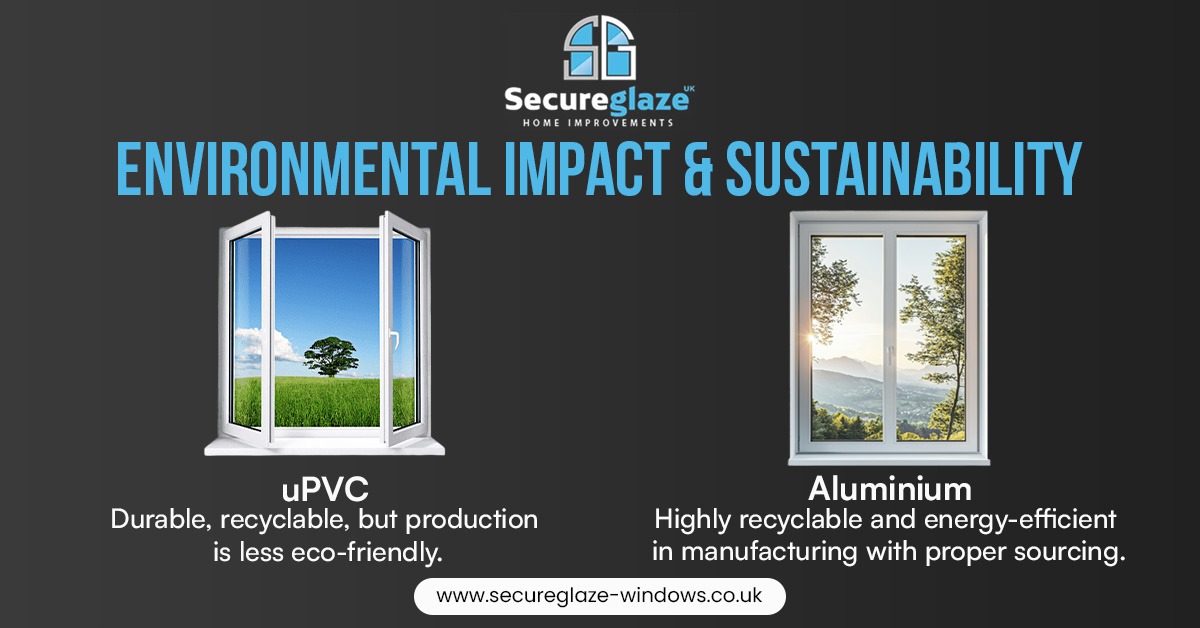
UPVC (Unplasticized Polyvinyl Chloride) is a long-lasting and weather-resistant material, making it a popular choice for windows that can perform well for up to 30 years or more. It is recyclable, and many manufacturers, including Secure Glaze, are now incorporating recycled uPVC into new frames to reduce environmental impact.
However, the production process of uPVC is not as environmentally friendly. It is derived from fossil fuels, primarily petroleum or natural gas, and its manufacturing involves the use of chlorine and other chemicals that can release toxic byproducts if not managed correctly. Although many modern factories follow strict regulations to minimize emissions, the carbon footprint of producing new uPVC is still higher compared to some alternatives.
Let’s explore! Modern Casement Window Styles: Top Designs and Trends
Aluminium
Aluminium is one of the most sustainable materials available in construction. It can be recycled indefinitely without losing its strength, making it an excellent eco-conscious choice. Recycling aluminium requires only 5% of the energy used to produce it from raw bauxite ore, significantly lowering its carbon footprint.
The energy used in the initial manufacturing process of aluminium is high, but many modern manufacturers like Secure Glaze’s supply chain partners use hydroelectric or renewable energy sources to reduce emissions. Additionally, the vast majority of aluminium in circulation today has already been recycled, further supporting circular economy goals.
Which is More Sustainable?
While both materials offer recyclable options, aluminium has a stronger edge in long-term sustainability due to its closed-loop recycling potential and minimal degradation during reuse. However, responsibly sourced and recycled uPVC is still a valid, environmentally conscious choice, especially when energy efficiency and cost are also key considerations.
Making the Decision: Which Offers More Value with Secure Glaze
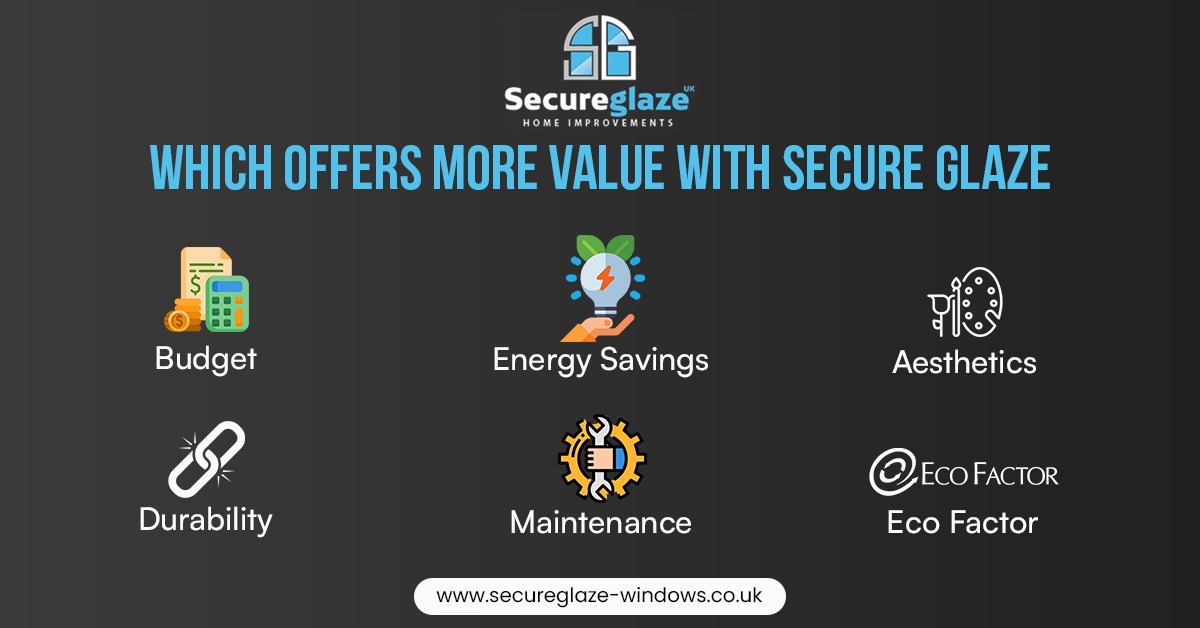
At Secure Glaze, we understand that choosing between uPVC windows vs Aluminium Windows comes down to what matters most to you: your style, performance, or long-term value. Here’s how both options compare when you choose Secure Glaze:
- Budget: If you’re cost-conscious, our uPVC windows offer a highly affordable solution without compromising on quality. Aluminium windows are a premium choice, ideal for modern, luxury builds.
- Energy Savings: Both come with advanced double glazing, but Secure Glaze’s uPVC windows provide slightly better thermal insulation, helping reduce energy bills over time.
- Aesthetics: Prefer a classic or heritage look? Go for our uPVC sliding sash or flush casement styles. Want something sleek and modern? Our aluminium windows are perfect for that minimalist finish.
- Durability: Aluminium offers unmatched strength and longevity, while our uPVC products are built to resist moisture, rot, and rust, backed by lasting performance.
- Maintenance: uPVC windows from Secure Glaze require virtually no upkeep. Our aluminium options need occasional care but retain their beauty and structure for decades.
- Eco Factor: Aluminium is more recyclable, making it a great option for eco-conscious buyers. However, our uPVC frames are also recyclable and made with sustainability in mind.
No matter your choice, Secure Glaze ensures exceptional craftsmanship, expert guidance, and total satisfaction, making every window a smart investment.
See what we are offering for Home Extension!
Conclusion
For cost‑effective, energy‑efficient solutions with low maintenance, go with uPVC windows, especially double glazed uPVC windows. For sleek, modern design, larger openings, and recyclable materials, choose Aluminium Windows, preferably thermal‑broken and powder-coated. Both offer great value when matched to your priorities. In the uPVC windows vs Aluminium Windows debate, the right choice depends on your budget, style preference, and long-term goals.
FAQs
Can I paint UPVC windows?
It is not recommended to use pre‑finished frames.
Do aluminium windows conduct heat?
Yes, thermal breaks are essential for good insulation.
Which costs more to maintain?
Aluminium typically requires more regular touch‑ups; UPVC maintenance is minimal.